Testing & Reliability
A server power supply spends its life at full load in warm air, so reliability cannot be inspected in at the end — it has to be screened in, unit by unit. Our chain runs automated electrical test, then burn-in aging in dedicated rooms, then safety verification, under an ISO 9001 quality system with serial-level traceability. The design target behind it all is a Telcordia SR-332 MTBF prediction of at least 250,000 hours at 40°C — a number we treat as an entrance requirement for the production platform, not a brochure figure.
The Verification Chain Every Unit Passes
Each gate has defined pass criteria; a unit that fails at any point is quarantined with its serial record, never reworked back into the shipment stream silently.
Automated equipment sweeps efficiency at 10%, 50% and 100% load points, verifies regulation across line and load ranges, and exercises all five protection circuits — OVP, UVP, OCP, OTP and fan-fail — with real trip events.
Dielectric withstand, ground continuity and leakage-current checks run on the safety lab's equipment, confirming isolation integrity to the IEC/UL 62368-1 construction on every unit, not on sampling.
Units run at elevated ambient and load in dedicated burn-in rooms so infant-mortality failures surface on our floor. Screen depth scales with wattage segment and customer specification.
Serial-tied test records — efficiency curve, protection trip data, burn-in log — are archived and available per shipment, so incoming inspection at your dock can be verified against our outgoing data.
MTBF and Design Lifetime
Reliability prediction follows the Telcordia SR-332 methodology: component stress analysis at your actual operating temperature, not a generic 25°C assumption. On production CRPS platforms the prediction comes out at 250,000 hours or better at 40°C ambient — meaning a single unit in a redundant pair makes a seven-year fleet life statistically unremarkable.
Life-limiting components are chosen conservatively: electrolytic capacitors are specified with ripple-current and temperature margins that keep their calculated life well beyond the service target, and fan L10 ratings are matched to the 40mm dual-fan redundancy scheme so a bearing wear-out degrades gracefully through PMBus warning rather than into a hard fault.
Certification Coverage
The production platform carries safety, EMC and environmental coverage for the markets our customers ship into. Regional certifications beyond this set are added per target market — ask for the current matrix with your inquiry.
IEC / UL 62368-1
Core safety standard for audio/video and ICT equipment power — the construction basis of every unit we ship.
CB Scheme
Mutual-recognition report that shortcuts national safety certification across member countries.
CE
European conformity marking covering safety and EMC directives for EU market access.
UKCA
UK conformity marking for equipment placed on the Great Britain market.
FCC Part 15 Subpart B
US unintentional-radiator EMC rules — Class A limits for commercial data-center equipment.
RoHS 2.0
Restriction of hazardous substances in electrical equipment sold into the EU.
REACH
EU regulation on registration, evaluation and authorization of chemicals in articles we supply.
ISO 9001
Quality management system certification covering the factory processes behind every build lot.
How the Process Catches What Tests Miss
No single inspection point catches everything, so we layer controls instead of quoting invented detection percentages. Incoming materials are verified against approved-vendor documentation with lot sampling on critical passives. In-process controls follow the ISO 9001 system: SMT placement verification, AOI after reflow, and torque and connector-seating checks at final assembly. Outgoing, every unit carries the serial-tied ATE and burn-in record described above.
The practical result customers care about: when a field question arises, we can trace a unit's build lot, component lots and test data from its serial number — the traceability that turns a suspected failure into a scoped, answerable investigation rather than a fleet-wide recall debate. That audit trail is part of the reliability specification, not paperwork overhead.
Burn-In Before Your Rack Does
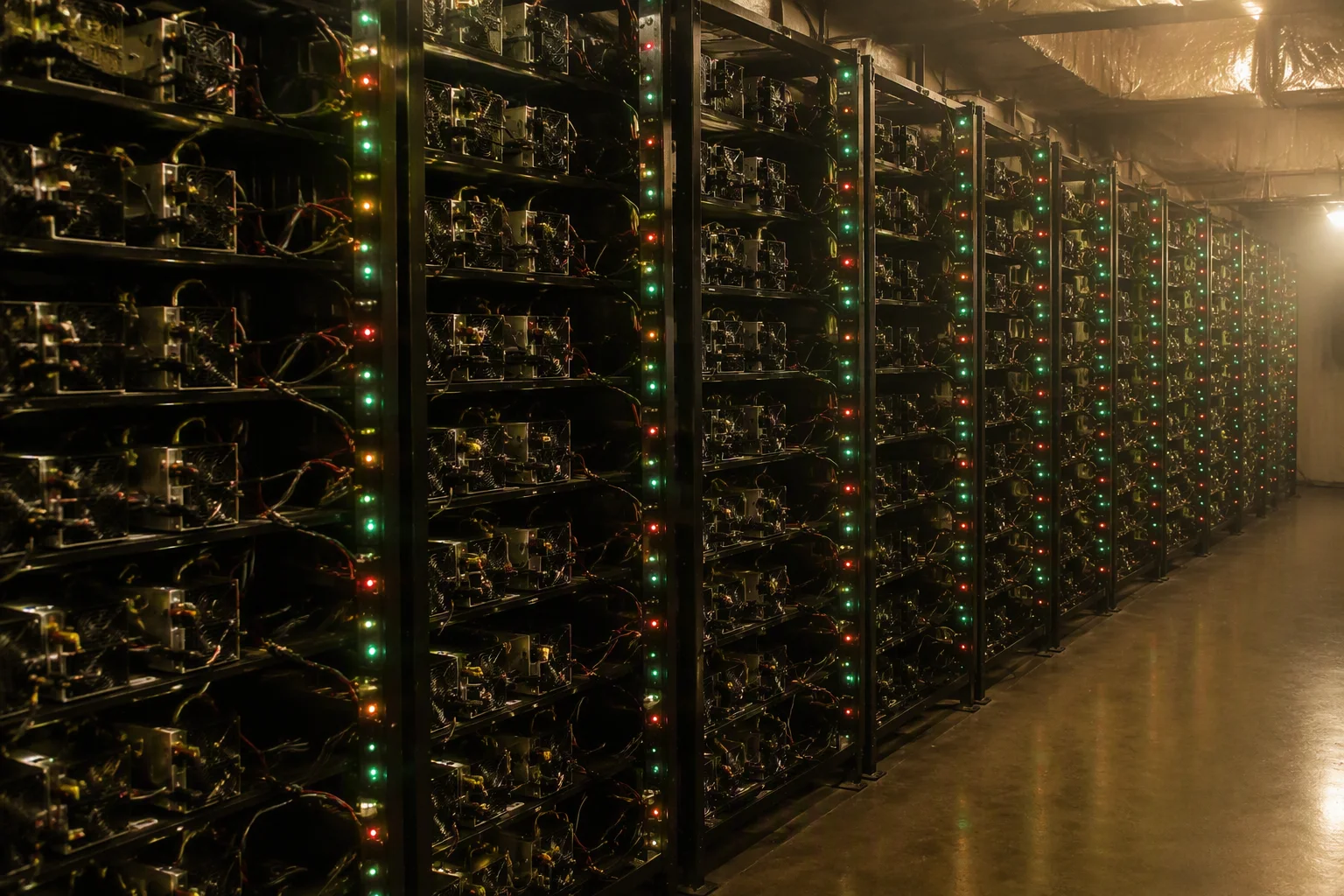
Screening is not sampling: every production unit completes a burn-in cycle under elevated temperature and load before it ships. Early-life failures surface on our racks, numbered and traced — never in yours.
Reliability & Certification FAQ
See the Reliability Data, Not Just the Claim
Request a sample data pack and the current certification matrix — we reply within 48 hours, and audits of the line are welcome.