CRPS Power for 1U/2U Enterprise Servers
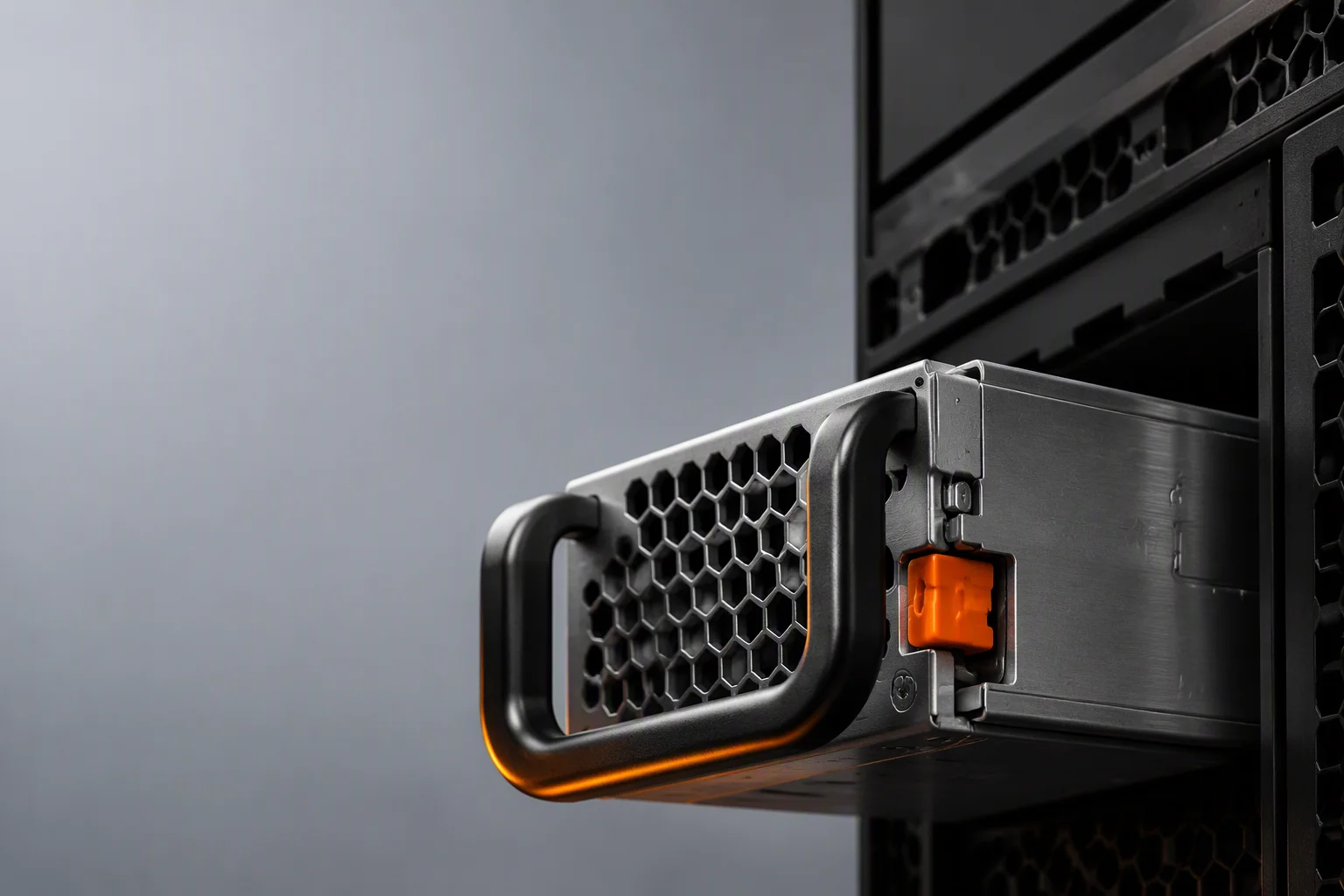
The volume of the server market still lives in 1U and 2U boxes: virtualization hosts, databases, departmental clusters. Their power band is the classic one — 550W to 1300W — inside the same 73.5×40×185mm CRPS envelope the industry standardized years ago. Nothing here is exotic. What separates a good supply from a support ticket is fit, firmware behavior, and the discipline to test both on every batch.
Three Failures That Have Nothing to Do with Watts
Golden-finger tolerance stacking
The CRPS golden-finger connector is standardized on paper, but card thickness, plating build-up and guide-rail tolerances stack across PSU and chassis vendors. A module that seats stiffly, or reads presence-pins marginally, ships as an intermittent fault weeks later in the field. Fit has to be verified against real chassis samples, not assumed from a drawing.
The dumb-vs-smart cost dilemma
A basic unit without PMBus costs meaningfully less; a smart unit with PMBus 1.2 telemetry over I²C buys you per-rail voltage, current, temperature and fan speed at the BMC. Paying for telemetry on every node in a fleet that never polls it is waste; skipping it on a managed fleet is a blind spot. You need both options from one platform, not two different designs.
Efficiency left on the table
Servers idle most of their lives, so the 50% load point matters more than the label: Titanium delivers 96% at 50% load versus 92% for Gold on the same point. Across a rack of 800W supplies, that gap is hundreds of watts of continuous heat — heat you then pay to remove, forever.
Numbers That Define This Band
One Envelope, Two Management Levels, Every Batch Tested
Our 550W, 800W and 1300W Titanium units share one mechanical and thermal platform, so the dumb and PMBus-smart variants are siblings rather than separate engineering projects. That means identical fit, identical fan curves and identical protection behavior (OVP/UVP/OCP/OTP plus fan-fail) across your build matrix — one qualification covers both BOMs.
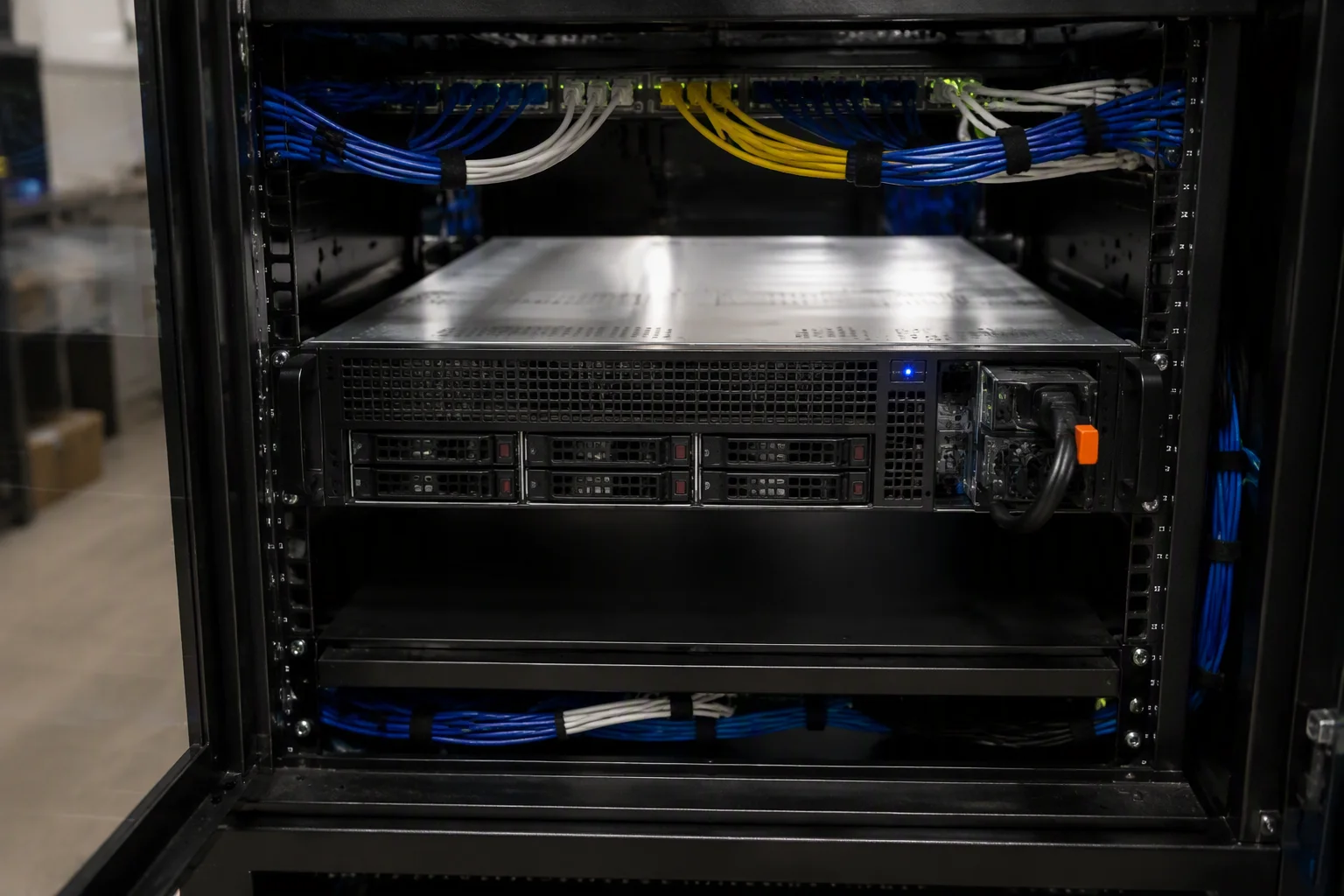
On compatibility, we go further than the datasheet: golden-finger seating, guide-rail engagement and presence-signal timing are verified against physical chassis samples as part of onboarding, and re-checked per batch on the ATE line before burn-in. Redundancy is hot-pluggable N+1 with active current sharing, so a failed module hands its load to its neighbor without a blip the OS can see. It is unglamorous work, and it is exactly the work that keeps 1U/2U fleets quiet.
Pick by Chassis and Redundancy Model
| Chassis Class | Recommended Part | Typical Configuration | Status |
|---|---|---|---|
| 1U single-socket / dense web tier | CRPS 550W / 800W | 1+1 redundant, dumb or PMBus variant | In production |
| 2U dual-socket virtualization host | CRPS 1300W | 1+1 or N+1, active current sharing | In production |
| GPU-accelerated 2U or high-core count | CRPS 1600W–2400W | N+1, C19 input at 200Vac | In production |
Standard orders from 100–500 pcs; samples in 2–4 weeks, volume in 6–10 weeks with burn-in included. Chassis compatibility verification is part of sample onboarding.

Send Us the Chassis, Keep the Fit Guarantee
Tell us your chassis model and power budget — we will confirm golden-finger compatibility and quote the dumb or smart variant within 48 hours.